
Practical Ways to Preserve Your Kitchen Fixtures
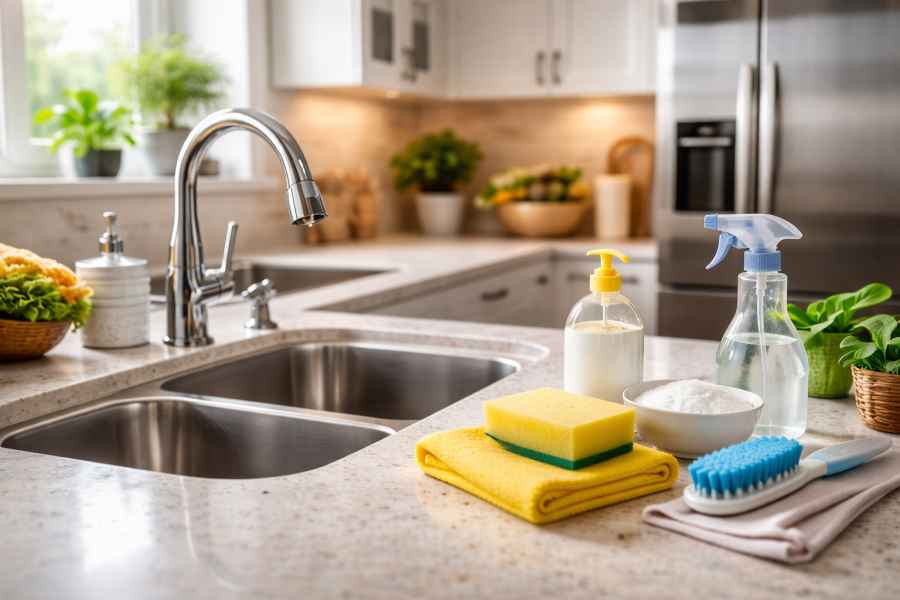
Did you ever get into your kitchen and open your cabinet or even touch a faucet and wondered, When did this get so dirty? Kitchens are the center of all the homes as well as the source of grease and water spots and daily cuts and scrapes. Your kitchen fittings including faucets and sinks, as well as handles and knobs, are in constant use, spilled and moistened. The positive thing is that under the correct method such fittings can be kept shiny, useful and durable. Let us discuss how to effectively clean, keep and maintain your kitchen fixtures to ensure that they not only look good but they also last many years.
1. The Knowledge of Your Kitchen Fittings
It is necessary to understand the type of materials your kitchen fittings are composed of before you dive into expert cleaning. The main fittings are mostly stainless, chrome, brass or nickel, with handles and knobs perhaps to be plastic, wood or ceramic. All the materials respond differently to cleaning agents. As an example, chrome finishes may be spoiled by harsh chemicals and stainless steel may be scratched by abrasive scrubbing. Knowing your fittings would mean you are using the safest and most effective cleaning techniques and not damaging on accident.
2. Daily Cleaning Routine
Grime and stains can be prevented by a mere everyday routine. Wipe faucets, handles and knobs with a use of the soft microfiber cloth moistened with warm water after cooking or washing dishes. With sinks, wash them after usage to eliminate food stuff and any traces of soaps. Such a simple routine saves on accumulation and bacterial growth, as well as maintains your kitchen tidy without having to work hard to clean it.
3. Deep Cleaning Techniques
After every week or on demand, a thorough professional cleaning is necessary. In the case of stainless steel and chrome fittings prepare a mild solution by taking warm water and adding a drop or two of dish soap. Use soft cloth/Sponge, and wipe it off, then run the water and dry it with a buff to avoid water spots. In the case of brass or nickel, a mild, non-abrasive cleaner to clean the metals should be used. Unless it is necessary to do it use harsh chemicals and steel wool which will scratch or dull the finish. It is always worth trying a mixture of baking soda and water put in a soft brush to remove stubborn stains.
4. Tackling Hard Water Stains
Faucet, sinks and other fixtures can be left with unattractive marks on hard water. In order to take these away, wet a cloth or paper towel with white vinegar and cover the affected part. Leave it to rest for 15-20 minutes and wipe it and run under water. The vinegar possesses the natural capacity of dissolving mineral deposits without destroying most of the finishes. To clean it regularly, you should have a spray bottle of vinegar with water so that you can deal with water spots right after you see them before they become popular. a standard often recommended in professional brisbane cleaning bond services for achieving spotless results.
5. Maintaining Moving Parts
Faucets, knobs, and handles are parts that have moving parts that can break with time. In order to maintain their smooth operation in the future, occasionally check out of stiffness or leakage. Insert a little plumber-approved lubricant into hinges or joints as required, and screws that are loose should be tightened. Regular maintenance will help your kitchen to stay in full operation, as the slight problems can become expensive to fix and lead to high costs when they arise.
6. Caring for Sinks
The most active ones are the kitchen sinks where vegetables are washed, pans are scrubbed and so on. To prevent scratches, never employ an abrasive scrubber; a soft sponge or cloth is to be used. A paste of baking soda and water would help in removing stains in the case of stainless steel sinks. Wipe dry and rinse well so as not to have water spots. In case your sink is likely to rust or discolour, applying a thin coat of mineral oil to the surface and makes it look shiny.
7. Cross-arms and Cabinet Handles and Knobs
Handles and cabinet knobs are frequently handled and, as such, could easily become greasy and dirty. Wipe them away occasionally and wash them in hot and soapy water. Slightly wipe with soft brush, rinse and dry and re-attach. In the example of ceramic or wooden knobs, long soakage must in no case be allowed, but they must be dried off as soon as possible otherwise, they will be damaged. Cleaning daily will keep your kitchen looking clean and will reduce the number of bacteria that will be deposited on such surfaces of contact. contributing to an overall spotless space similar to the fresh finish you achieve when you clean windows properly.
8. Preventive Measures
Prevention is always good before it is too late. Do not keep water on a metal surface, scratches on a cutting board, and wipe off the spills immediately. Place splash guards around sinks and stoves, which reduce the amount of grease deposits on fittings. Such limited measures will help a lot to prolong the life of your kitchen fixtures and the rate at which you clean deeply.
Conclusion
It does not necessarily mean that it is difficult to keep the kitchen fittings clean and functioning well. No matter how much you know about the materials, how you clean it every day, how you de-dust it once a week, how you work on those hard water stains, how you maintain moving parts and how you prevent instead of cure, your kitchen will look like a beautiful and efficient place. Even a bit of care and attention will help in maintaining the shine, functionality and hygiene of your kitchen fittings, thus making the process of cooking and daily living a nice experience.
Related Posts

How to Use a Basic Homemade Cleaner to Clean Leather
Have you ever used a basic homemade cleaner for your leather bag or sofa and…

A Comprehensive Guide to Bedroom Cleaning?
A Comprehensive Guide to Bedroom Deep Cleaning? The last time you gave the bedroom a…

5 Vital Guidelines for a Spotless Home with Smart Cleaning
5 Vital Guidelines for a Spotless Home with Smart Cleaning Have you noticed sometimes you…