
How to Clean a Rental Property Without Damaging Surfaces
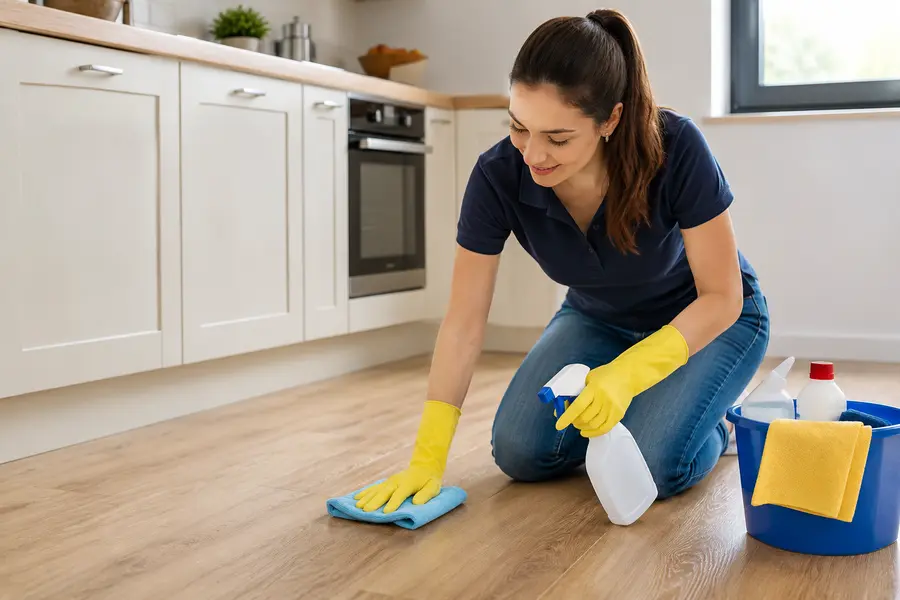
Ending a lease will be an event filled with great anticipation and a bit of anxiety as well due to fears that one might not be able to perfectly leave the premises in a condition satisfactory enough to please the landlord or property manager but without causing any damage. Over-cleaning, coming in contact with wrong chemicals or excessive usage of water may result in some permanent damages to the walls, floors, countertops, and appliances. These mistakes can cost you financially in repairs or bond money. When you follow the best rental property cleaning tips, you can achieve a clean home and protect every surface. Knowledge of appropriate rental property maintenance cleaning when applied in this manner also makes cleaning of rental homes in Australia safer, simpler and more productive.
Know Your Surface Types
The first step is understanding the materials making up the house you are going to clean. Most probably a rented home is going to be a combination of painted walls, wooden floorboards, laminate benchtops, stainless steel kitchen appliances, ceramic tiles, glass shower screens and delicate fixtures. Each of the surfaces responds differently to using various types of chemicals and cleaning equipment. Scrubbing stainless steel with abrasive pads or wood with strong chemicals can cause permanent marks that are costly to fix. One of the finest cleaning hints for rental accommodations is thoroughly going over product packages to get the most out of a cleaner.
Choose Safe Cleaning Products
It is the opinion of many that stronger cleaning agents yield better results but this is seldom the case when cleaning rental homes. Bleach, ammonia and heavy abrasive powders can fade stains quickly, but they can also strip protective coatings, fade painted surfaces or etch tile and natural stone. pH-neutral mild cleaners, microfibre cloths and soft sponges will generally give great results without causing any damage to surfaces in your home. Using mild products also contributes to the long term maintenance of a rental property, as fixtures and finishes are less likely to be damaged. Every time we read, understand and follow instructions on the packaging of cleaning products. Always avoid mixing cleaning products to avoid the risk of toxic gases and damaging surfaces.
Protect Floors During Cleaning
Floors have the highest volume of traffic in every rental unit and are often checked during the final visits. Care of timber flooring is different to tiles, vinyl or carpet and it’s important not to use unsuitable cleaning products. Dust or vacuum first to get rid of any loose dirt, then mop your hard floors with a mop that’s only slightly damp. Too much water can get into wood or laminate flooring and cause it to swell or warp. Treat carpet stains quickly with products that are safe for carpets instead of using too much scrubbing which can break down the fibres. Following these cleaning tips for rental properties lets you preserve the floors and have every room looking bright and well-cleaned up. For stubborn carpet stains or deep-set dirt that cannot be removed safely at home, hiring carpet cleaning brisbane professionals can help restore carpets while protecting the fibres from unnecessary damage.
| Flooring Type | Safe Cleaning Method | Avoid |
| Timber | Damp microfibre mop | Excess water |
| Laminate | Gentle floor cleaner | Steam mops |
| Tiles | Neutral floor cleaner | Acidic chemicals |
| Carpet | Vacuum and spot clean | Harsh scrubbing |
Clean Kitchens With Care
Spills, food residues, grease and fingerprints can build up and after some months your kitchen can be the room which is in dire need of the toughest cleaning. First of all, use a brush to get rid of any crumbs. Next, get a soft cloth and apply it together with a moderate detergent to polish and clean cupboards, bench tops, splash back areas and appliances. Oven doors, sinks filters, taps that are rangehood mounted should be given more detailed cleaning since such spots are areas one can expect a landlord to closely inspect upon the conclusion of your tenancy. Don’t use metal scourers on stainless steel appliances, as they may leave permanent scratches.
Handle Bathrooms Gently
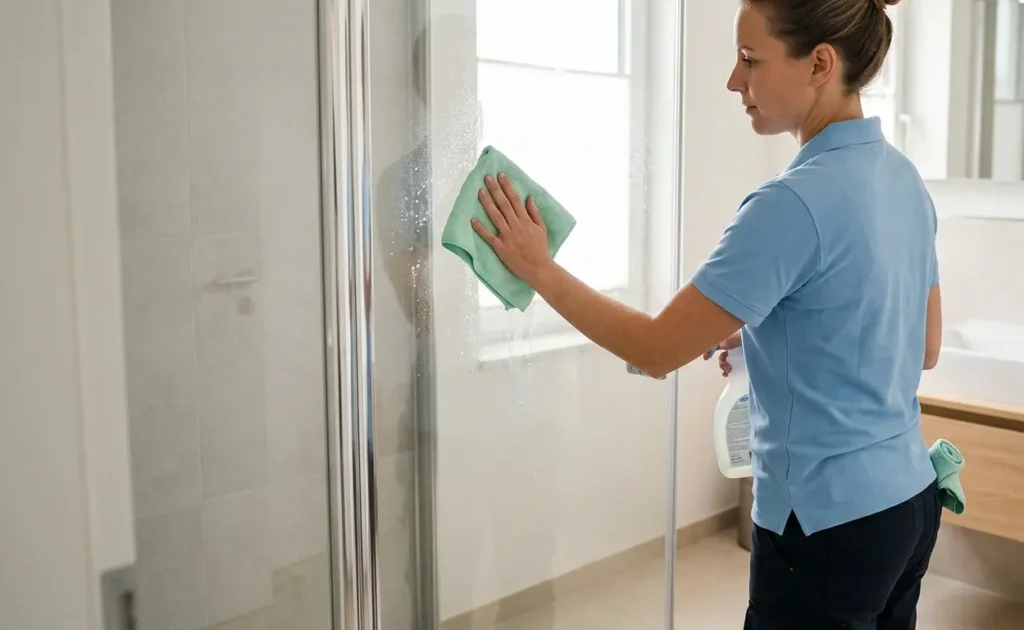
Bathrooms also contain very delicate surfaces that require careful cleaning after heavy buildup occurs with soap scum and mineral deposit formation. Cleaners to be exact for glass shower units, chrome taps, ceramic sink bowls, mirrors and tiled walls or floors have been produced which are right for use on those materials alone. If cleaning agents have been allowed to work and have softened the soap, just dry the surfaces with a soft cloth, do not continue rubbing. Wholesome rental bathroom cleaning advice can brighten up your bathrooms to make them appear hygienic without you having to concern yourself with risking further damage to that all important surface before the day of inspection.
Avoid Common Cleaning Mistakes
Oftentimes the result of the cleaning work is unsatisfactory because the work has been rushed or inappropriate cleaning materials have been applied. Using abrasive brushes and steel wool, too much water and unnecessary chemicals is generally counterproductive. Some examples of common causes of damaging household items are pulling heavy furniture across wooden floors, spraying cleaner onto electronic devices, or keeping wet wooden surfaces. A more cautious approach that you take slower is normally better and gives you better results and less chance of damaging the property. Correction of these common errors leads to improvements both in the quality of cleaning and the general maintenance of the rental property, thus enabling tenants to depart the home in good order without inflicting unnecessary billable repairs.
| Common Mistake | Possible Damage | Better Alternative |
| Steel wool on appliances | Surface scratches | Soft microfibre cloth |
| Excess water on timber | Swelling and warping | Damp mop |
| Strong chemicals on paint | Discolouration | Mild pH-neutral cleaner |
| Scrubbing glass aggressively | Fine scratches | Soft sponge |
Final Inspection Checklist
Just before handing over the keys, do a final sweep of the whole house to ensure there wasn’t anything left forgotten. While walking slowly through the house look at the walls for any smudges, check the windows for the presence of fingerprints , the cupboards for dust, and finally the floorings for any debris. Besides, make sure you empty all the trash bins, clean off the skirting, and wipe the switches of the lights. Lastly, if your rental includes outside spaces, be sure they are properly tidied. These final cleaning tips for rental properties will help you to a smooth inspection and a bad check out without showing you did nothing but drive responsibly around a rented home for the last few months.
Conclusion
Keeping an apartment for renting clean is not only giving it a fresh look and making it sparkling, but also being good for the surfaces and the fittings by selecting the right products, focussing on the details that matter the most. Tenants also gain a better chance of receiving their full bond back after inspection by following some practical advice on how to clean a rental property and not causing any accidental damage. At the same time, good rental property maintenance and understanding of rental property maintenance will help with the long term upkeep of the home and make future cleaning a breeze. With a few simple guidelines to cleaning Australian renters can walk confidently out of their rental property, clean, well-cared for and waiting for its next renter. Keeping carpets in excellent condition is equally important, and do smart cleaning gadgets deliver better carpet results? offers helpful insights into choosing safe and effective cleaning methods that protect carpet fibres while maintaining a spotless rental property.
Related Posts
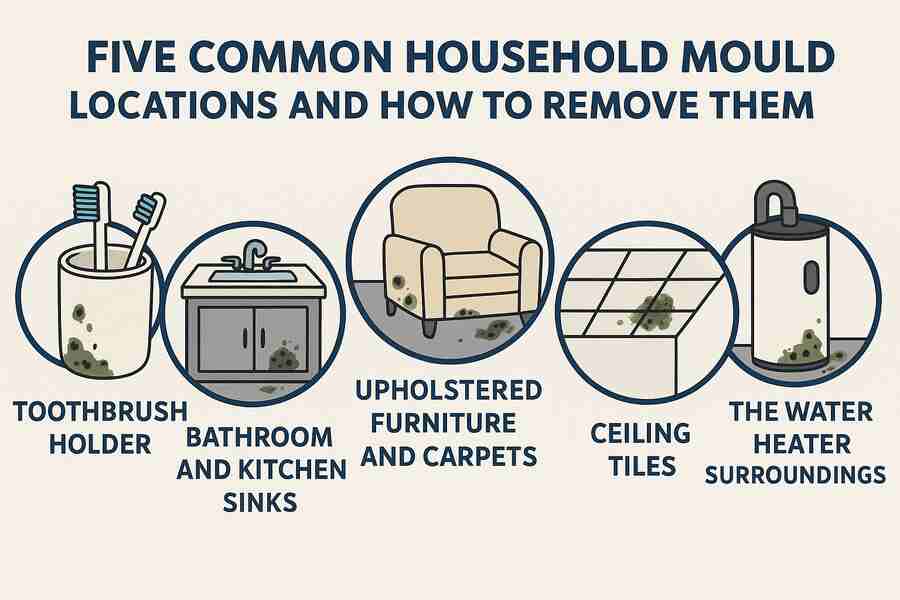
Five Common Household Mould Locations and How to Remove Them
Household Mould Locations Is there any bad smell in your house? Did you notice where…
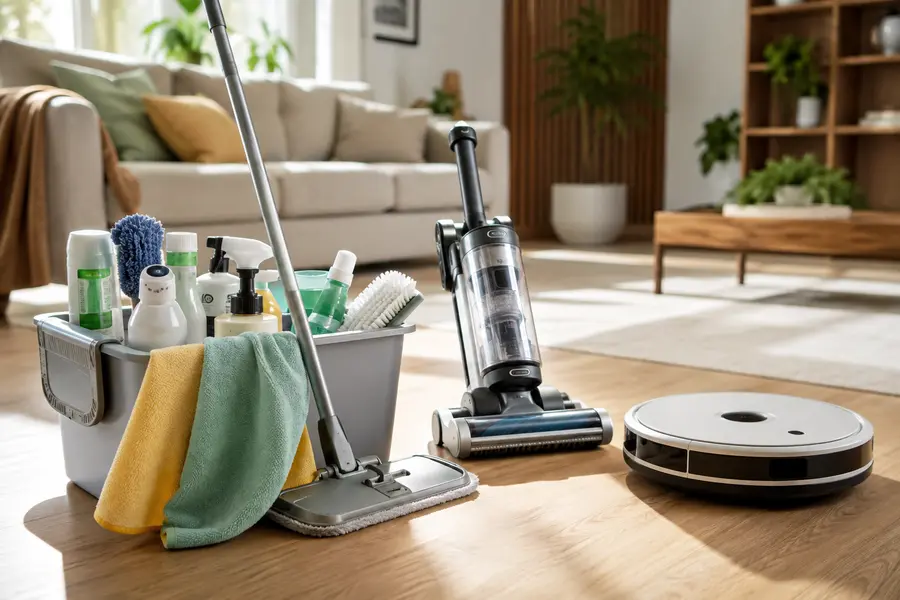
Best Tools to Make Home Cleaning Easier and Faster
Keeping your house clean shouldn’t involve hours of work or sweat running down your face.…
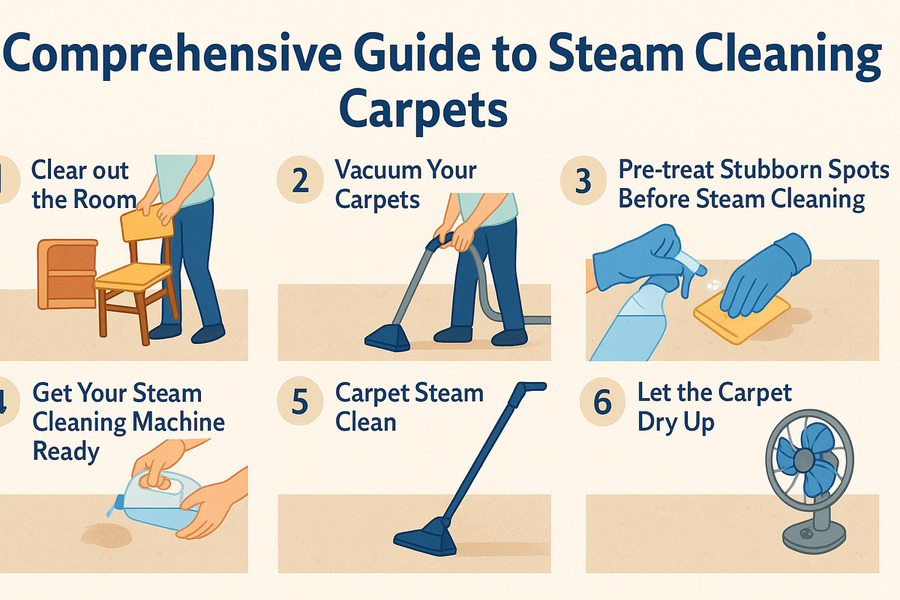
A Comprehensive Guide to Steam Cleaning Carpets
Comprehensive Guide to Steam Cleaning Carpet Have you ever wondered why your carpet, even after…